Why a Fed Rate Cut Might Not Bring Cheaper Home Loans — What Buyers and Realtors Should Know
The buzz: economists are widely expecting the Fed to cut its benchmark interest rate soon. That has many homebuyers, sellers, and real estate agents wondering — will mortgage rates drop too? The short answer: maybe not. And here’s why.
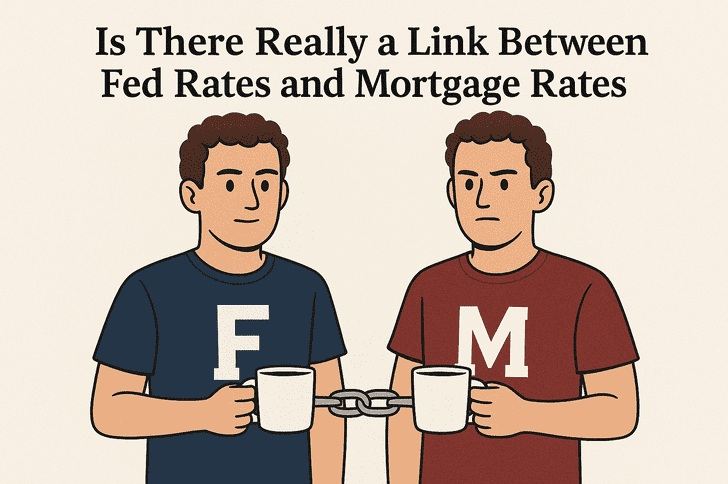
What’s happening behind the headlines
The financial markets have already “priced in” an expected Fed rate cut, meaning investors have anticipated the move for weeks. Mortgage Professional
Long-term mortgage rates — like the 30-year fixed — are more influenced by global demand for U.S. debt, bond yields, and overall investor sentiment than by short-term rate moves by the Fed. Mortgage Professional+2Morgan Stanley+2
As of now, 30-year rates have been hovering near one-year lows — meaning the “easy gains” may already be baked in. Mortgage Professional
In other words: even though the Fed might soon reduce its policy rate, that doesn’t guarantee that mortgage rates will drop right along with it.
Why a Fed cut doesn’t always equal lower mortgage rates
Mortgage rates track long-term bonds, not short-term rates. Fixed-rate mortgages generally follow the yield of long-term Treasury bonds — especially the 10-year Treasury.
Markets act before the Fed acts. Because investors anticipate Fed moves, bond yields and mortgage rates often adjust ahead of the announced cut. By the time the Fed officially cuts rates, mortgage rates may already reflect that change — or even move in the opposite direction.
Other economic factors matter more: inflation expectations, global demand for U.S. debt, risk premiums, and investor sentiment frequently have a larger impact on mortgage rates than the Fed’s short-term rate adjustments.
So, a Fed cut can set a favorable “tone” for borrowing costs — but it doesn’t guarantee that long-term mortgage rates will drop.
What this means for homebuyers and real estate agents
If you see a mortgage rate you like — consider locking in. Because the benefit of a Fed cut may already be reflected in current rates, waiting for a “better” rate might be a gamble.
Don’t rely solely on headlines. Buyers who hear “Fed cutting rates” and assume their mortgage rates will drop may be disappointed; other economic forces may push rates up instead.
Realtors: be prepared to educate your clients. Many will expect rates to fall — this is your chance to clarify why mortgage rates don’t always follow the Fed.
Refinancing remains a viable option. If rates do dip further down the line, homeowners locked into higher rates may still benefit — but they shouldn’t assume that’s guaranteed.
Our take — What we believe buyers should do now
At Money Well Lending, we believe in advising clients based on realities — not headlines. If you’re financially ready to buy or refinance, and current mortgage rates make sense for your budget, now may be a very smart time to lock in.
Because while the Fed’s next move is getting a lot of attention, what drives your mortgage rate tomorrow isn’t just the Fed — it’s the bond market, inflation expectations, and global investor sentiment.
Want help reviewing current rates or evaluating whether now’s a good time to lock? We’re here — let’s talk.